
Apr. 1, 2026
With the arrival of spring, you may be thinking about sprucing up your lawn or getting your garden ready for planting. But did you know that the compost you purchase from your local nursery might just contain transformed waste from your own yard and kitchen?
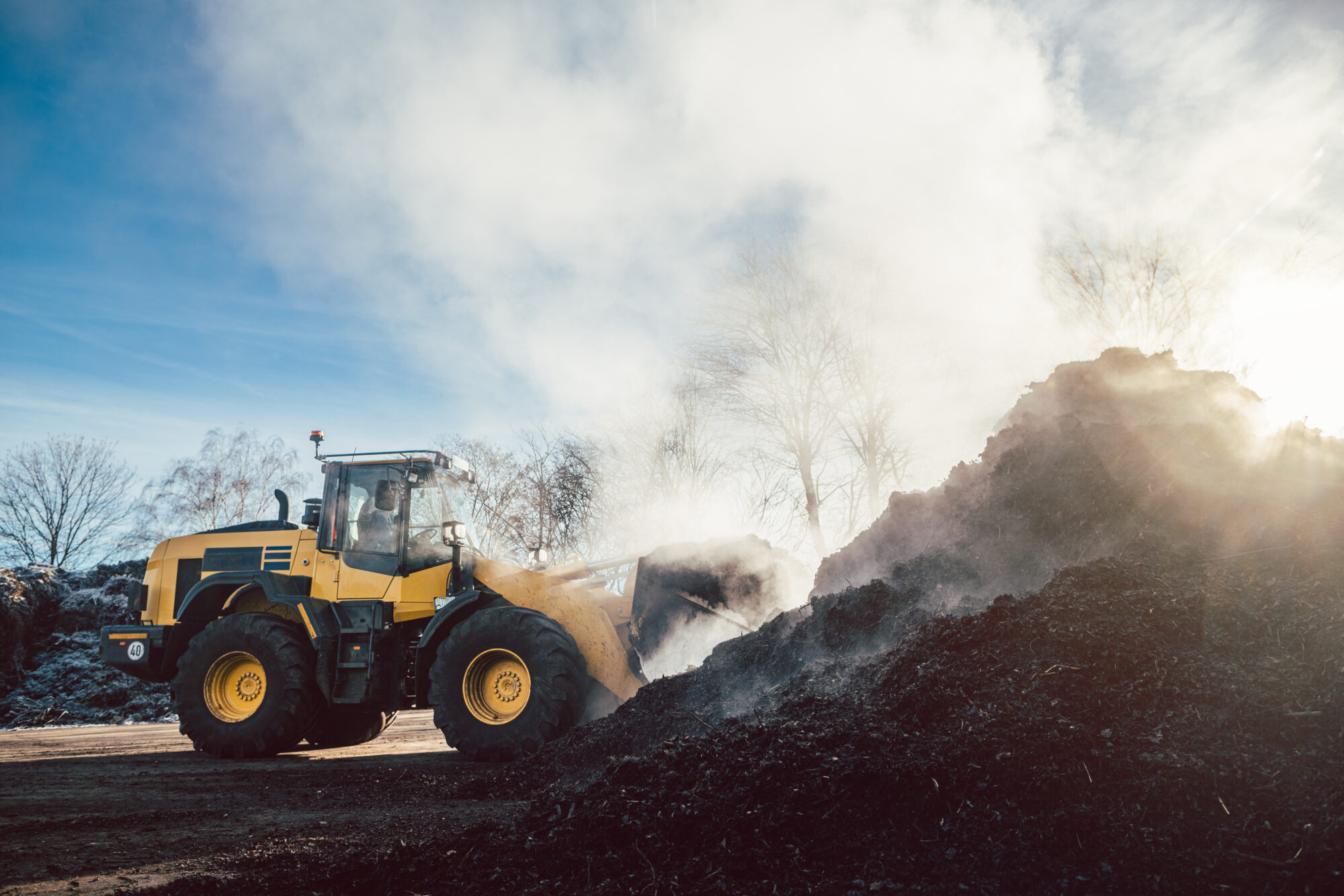
From Trash to Organic Treasure
Here in Marion County, many residents have access to organic waste pickup as part of their regular curbside waste collection. That means you’re able to place things like grass clippings, leaves, coffee grounds, and leftovers from your fridge into your green bin instead of the trash.
At Re:Source, we consolidate and transport this material to Pacific Region Compost, located near Corvallis, OR, where it’s turned into compost for use on local farms and bagged for sale at home and garden stores. It’s one more way we’re diverting waste, with an impact that goes far beyond saving landfill space.
A Better Way to Biodegrade
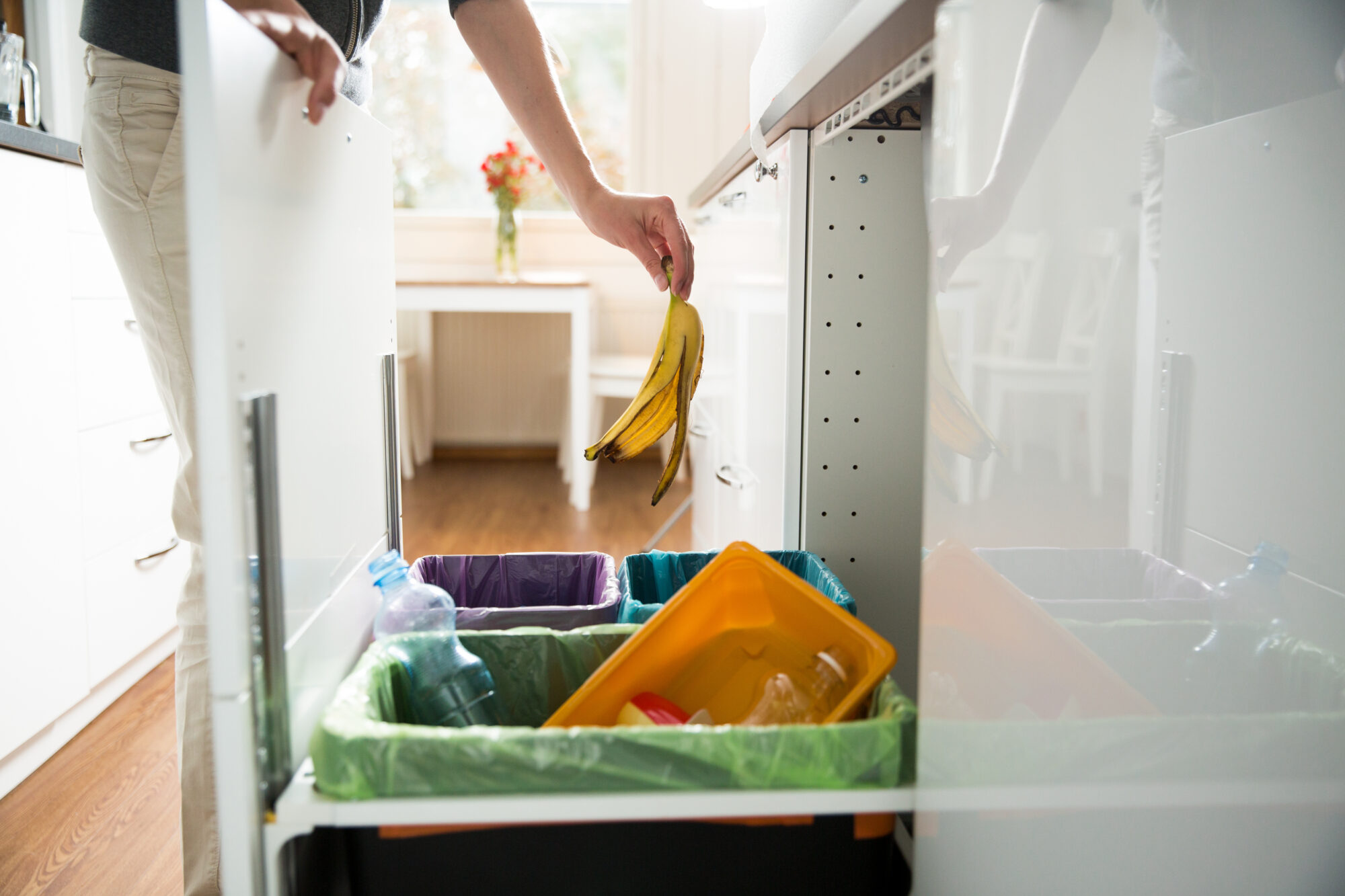
Food waste makes up almost a quarter of all municipal waste. Yes, that food will naturally biodegrade, but when buried in a landfill, the lack of oxygen causes it to release methane more quickly than other types of waste. Commercial composting controls the decomposition process by carefully monitoring the temperature of compost piles and turning the material to introduce oxygen, greatly reducing the amount of gasses released.
Why is this important?
Methane is 28x more powerful than carbon dioxide at trapping heat in the atmosphere. While most landfills have systems to collect gas emissions, food waste is responsible for much of the methane that goes uncaptured. So less food in landfills, whether by composting or reducing food waste altogether, not only conserves resources, it helps protect our climate.
[Supporting compost production] is one more way we’re diverting waste, with an impact that goes far beyond saving landfill space.
An Everyday Action With a Big Impact
When you sort those eggshells and banana peels into your green bin, you’re not just helping to create a product that will improve soil health and help conserve water (in your own garden or for your favorite farmers market vendor). You’re also reducing waste’s impact on the environment. Thanks to our combined efforts, Marion County’s organic waste is turned into 50,000 yards of compost each year. It’s a win for our community…and all those locally grown veggies.
Watch this video to learn more about the role Re:Source plays in the cycle of compost. Want to see firsthand how we’re keeping reusable materials out of the landfill? Book a tour of our facility!
Categories: Curbside Collection, Organics, Sustainability, Waste Management
Share

