
Feb. 11, 2026
Once waste leaves our homes and businesses, you might think it’s out of sight, out of mind, but at Re:Source, we’re putting serious thought into where it goes next.
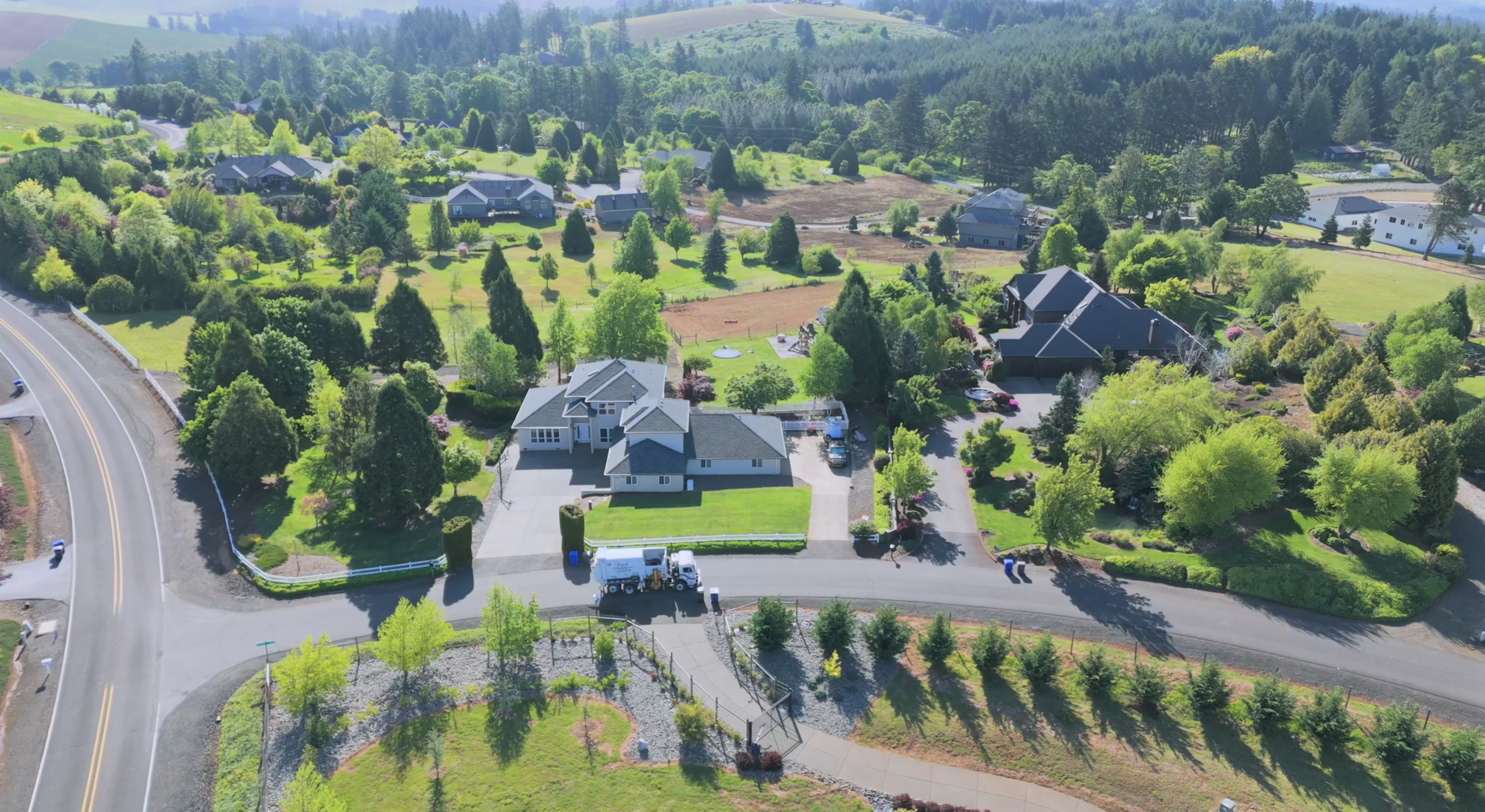
Diverting Waste Away From Landfills
All waste collected in Marion County by local haulers and area transfer stations is brought to Re:Source, where we process and consolidate it for final transport. But not all of that waste is destined for the landfill.
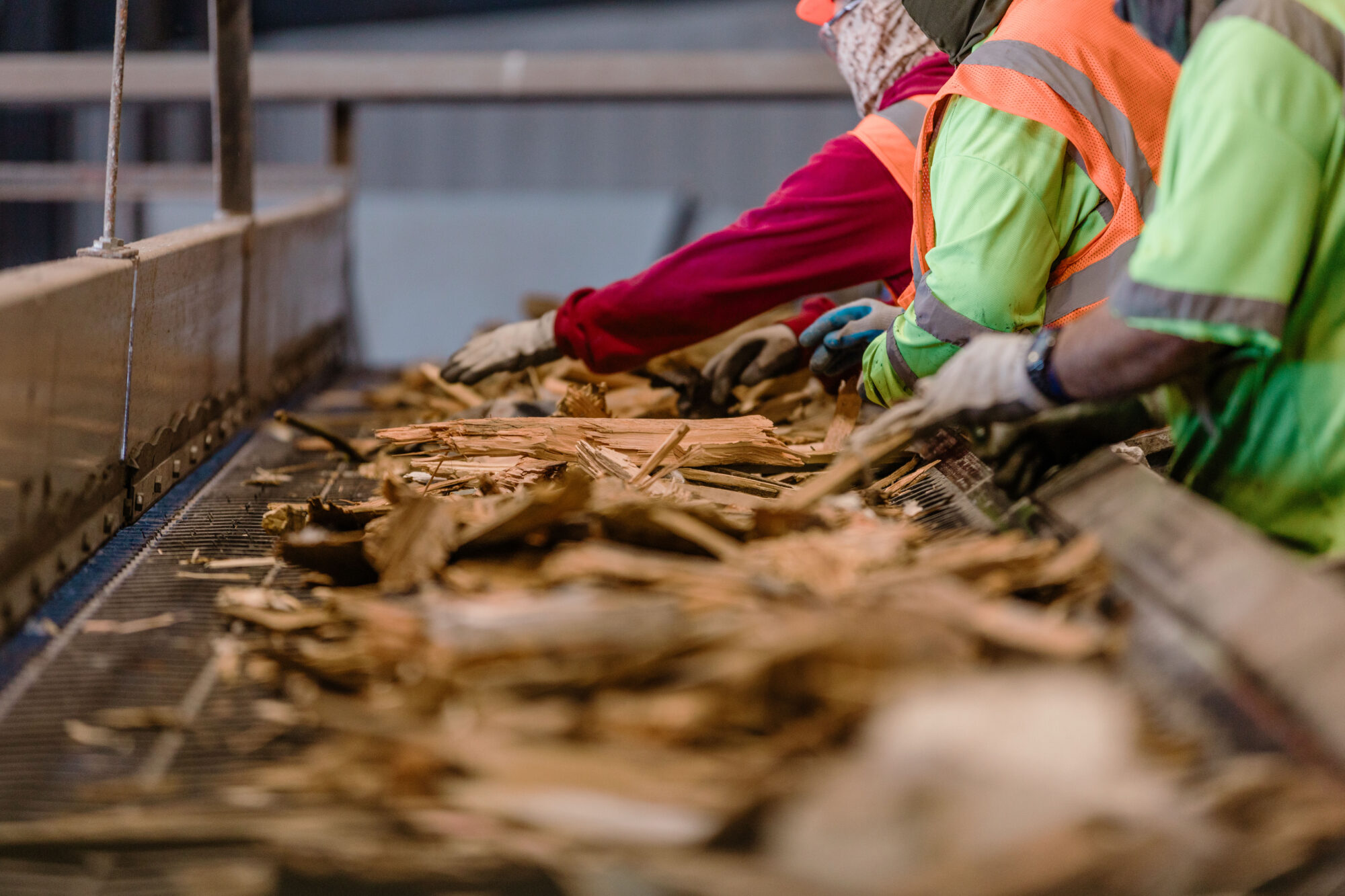
Using a mix of modern machinery and hand sorting, we extract wood, rock, metal and cardboard from construction and demolition debris and all loose transfer station waste. These materials are then taken to approved recycling facilities so they can be put back to work.
- Scrap metal is turned into new products such as cans and electrical wire
- Rock and concrete are used in new construction, landscaping, or road maintenance projects
- Cardboard is recycled into new paper products
- Wood is chipped and taken to Freres Engineered Wood for use as biofuel in their cogeneration plant, providing clean power to 5,000 area homes
Through material recovery, we’re able to save tens of thousands of tons of waste each year–68,000 tons in 2025 alone–to be repurposed instead of landfilled.
Waste Flow That Works for Our Community
We know that landfills are a finite resource with limited capacity. When they fill up we have to expand or build new ones, which is costly to communities and the environment.
Re:Source leadership and county staff have worked together to create contracts that allow a portion of Marion County’s waste to be taken to Wasco County Landfill. This has helped to both stabilize waste collection rates after the closure of the local incinerator and mitigate the need to expand the near-capacity Coffin Butte Landfill.
While modern landfills use the latest technology and know-how to help protect the environment, they should be a backup plan, not a primary solution for waste. So as we focus on recovering as much material as possible, we also work to make sure we’re responsibly managing how area landfills are used.
Through material recovery, we’re able to save tens of thousands of tons of waste each year–68,000 tons in 2025 alone–to be repurposed instead of landfilled.
How You Can Help
Waste that’s collected curbside–your trash, recycling, and organic waste–is considered “pre-sorted.” After it arrives at Re:Source, it’s simply compacted and consolidated into efficient loads for final transport. That means it’s important for all of us to make sure we’re sorting things properly at home.
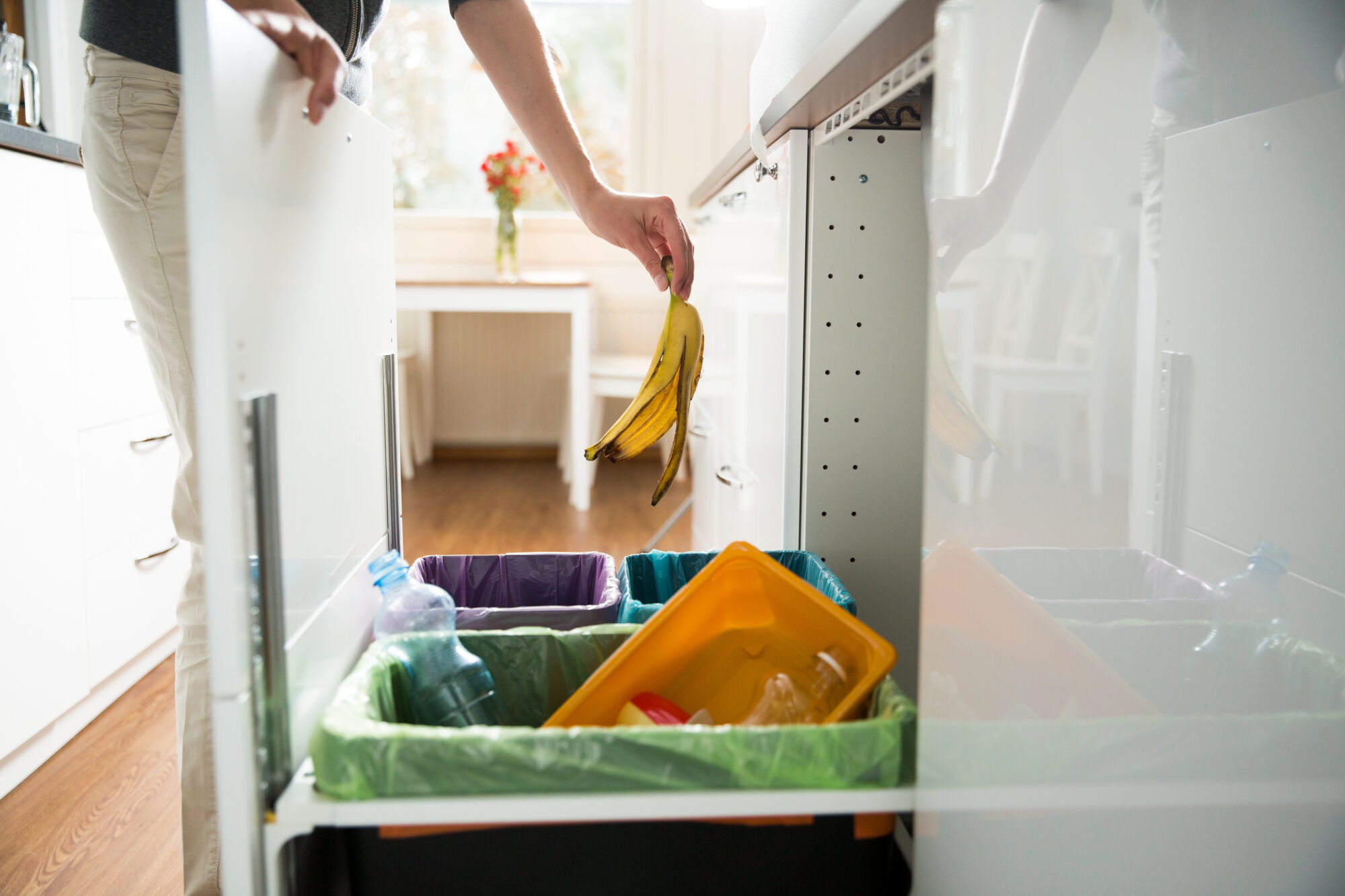
Put Waste in the Right Place
- Don’t: “Wishcycle” aka, place items you hope can be recycled into your recycling bins
- Do: Always follow local sorting guides. Download the newly expanded statewide recycling list, and check with your local hauler to see if you have access to additional curbside recycling for things like paint, batteries, cooking oil, and organics.
Though it may sound contradictory to the idea of recycling: when in doubt, throw it out. When the wrong material, or contaminants, end up in the flow with recyclables, we risk having to send all of it to the landfill!
Your habits at home combined with our work at Re:Source is helping to put more of our waste to good use. Together, we can save valuable resources, reduce our reliance on landfills, and create a sustainable future for our community.
Want to learn more? Visit our education page to book a tour of our facility and see our material recovery work in action.
Categories: Material Recovery, Sustainability, Waste Management
Share

