
Jun. 30, 2026
Getting waste to its best destination is a community effort! By sorting your trash, recycling, and organics properly, you can help eliminate contaminates and make sure reusable materials don’t end up in the landfill.
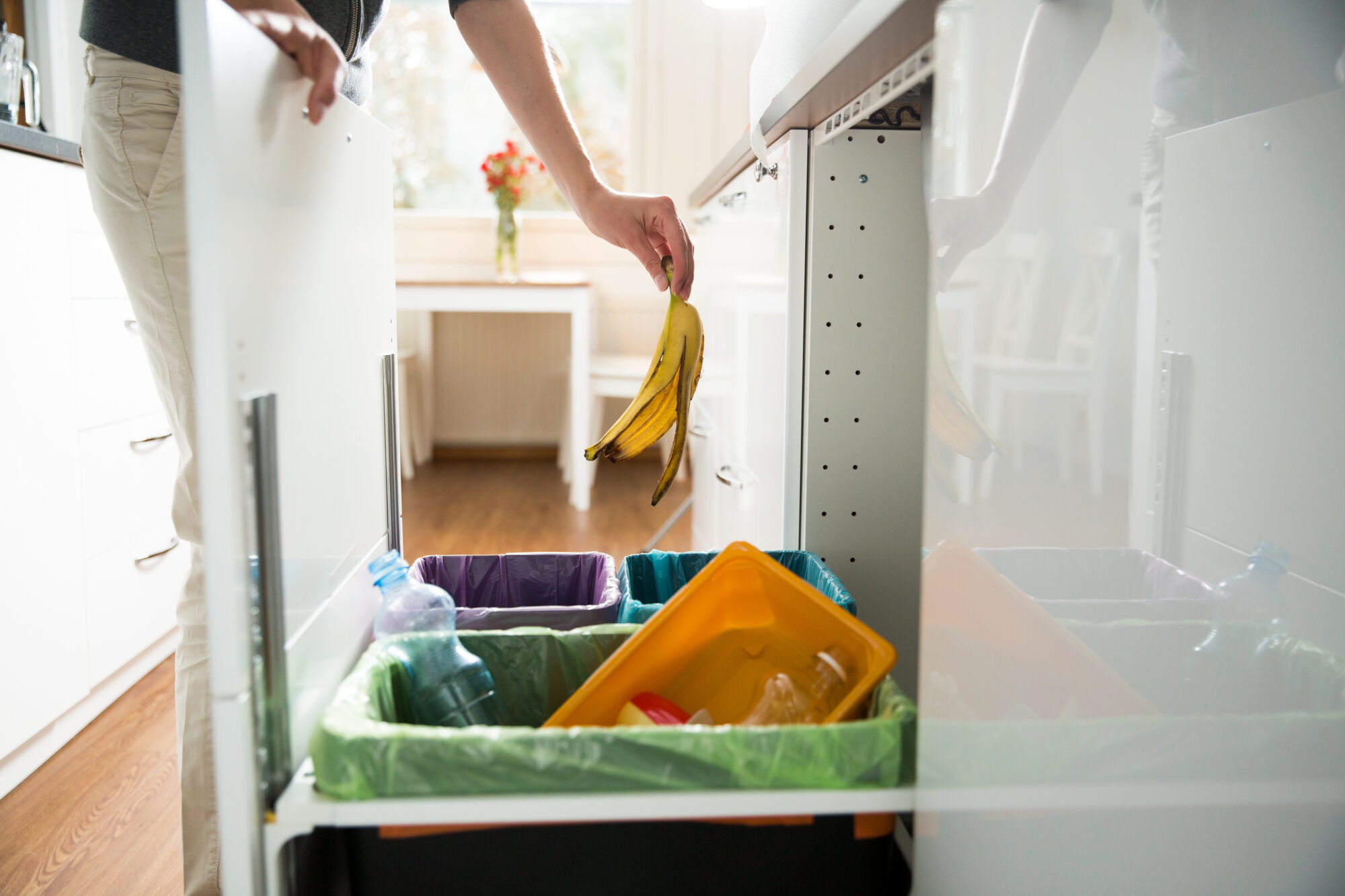
What is recycling contamination?
When it comes to waste, it’s important that the right materials get to the right place. When non-recyclable items end up in the flow with recyclables, they’re called “contaminants”—and they can put entire truckloads of reusable materials at risk of being landfilled. That’s because these contaminants can ruin recyclable items, damage equipment, and pose a safety hazard to workers.
Why is it important to sort waste properly at home?
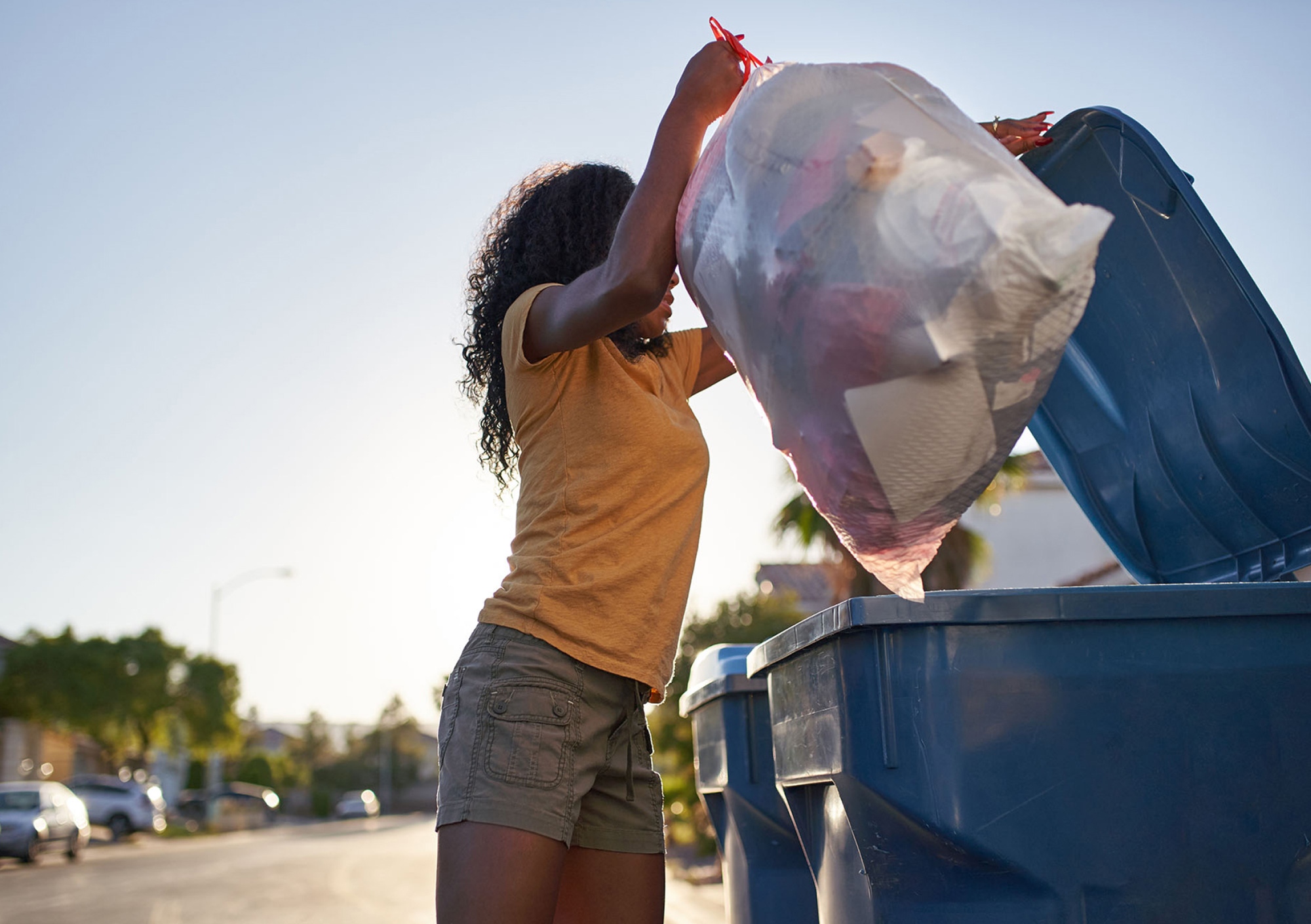
At Re:Source, we process all of Marion County’s waste. This includes sorting construction and demolition debris and loose transfer station waste to recover metal, wood, rock, and cardboard for repurposing. We do not sort curbside-collected materials. (Our job is to compact or consolidate these materials into more efficient loads for transport to their final destinations.)
Household trash, commingled recycling, and organics are considered “pre-sorted.” That means Re:Source, and your local haulers, rely on you to make sure items are placed in the proper bins.
By sorting your trash, recycling, and organics properly, you can help eliminate contaminates and make sure reusable materials don’t end up in the landfill.
What are some common recycling contaminants?
Avoid placing these items in your commingled recycling bin and check out these resources from the Mid Valley Haulers for more sorting help!
Batteries
Why: Batteries are the number one cause of fires in trucks and transfer stations, and contain hazardous materials that can damage equipment, injure workers, or harm the environment.
Proper disposal: Never place batteries in your recycling or trash. Check with your local hauler for drop-off locations, or to find out if special curbside battery recycling (via a separate bin) is available in your area!
Bagged Recyclables
Why: If materials are bagged it can prevent proper sorting and inspection at recycling facilities, and plastic bags can jam machinery.
Proper disposal: Place all items loosely into your recycling bin (including paper bags). Check if your local grocer offers plastic bag recycling; otherwise, they should be saved for reuse or placed in the trash.
Food Scraps
Why: Food or liquid can coat materials and soak paper and cardboard, making entire loads unrecyclable.
Proper Disposal: Make sure recyclable containers are empty, clean and dry, and place any food scraps into your organic waste bin.
Foam
Why: Foam (or Styrofoam) containers and packing materials can easily break into small pieces that can stick to recyclables and clog machinery.
Proper Disposal: Save for reuse or place in the trash.
Frozen Food Boxes
Why: Frozen food boxes are lined with a thin plastic film or wax to resist moisture, which prevents them from being processed into new paper.
Proper Disposal: Save for reuse or place in the trash.
Hoses, Cords and Wires
Why: These items are not recyclable and can easily get tangled in machinery, damaging equipment and becoming a hazard for workers.
Proper Disposal: If items are still functional, consider giving them away or donating, otherwise, these items belong in the trash.
When in doubt, throw it out!
If you’re not positive something is recyclable, it’s better to put it in the trash than risk contaminating other materials in your recycling bin.
What can I recycle?
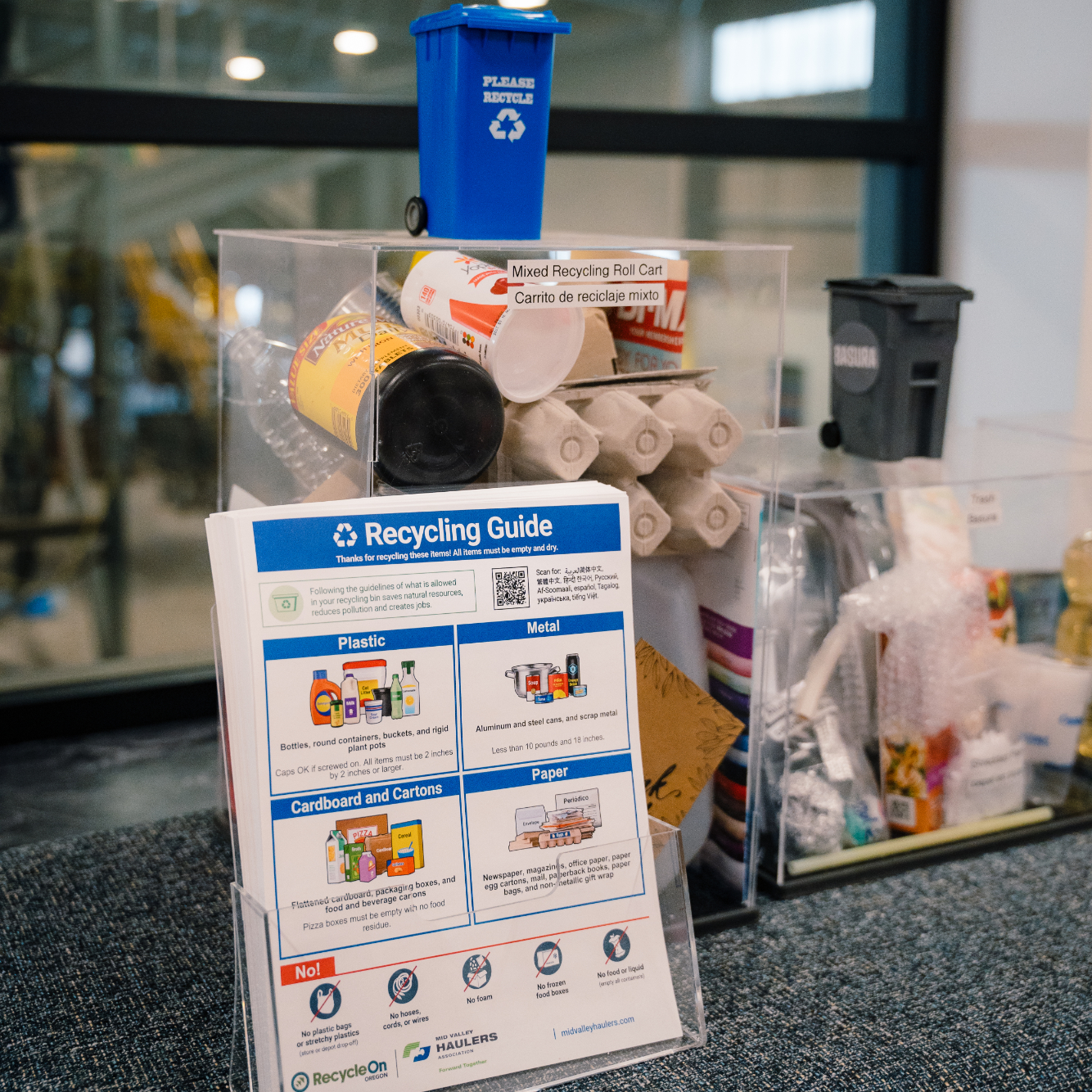
Since the Recycling Modernization Act went into effect, there is now a universal list of materials that are recyclable in Oregon and which should be placed in your blue commingled recycling bin. For some residents of Marion County, curbside organic waste pickup and an additional “red basket” for special items is also available—check with your hauler for details.
The first rule of sorting is to always follow local guidelines for what should and shouldn’t go in your waste and recycling bins. Taking the time to make sure you’re putting the right stuff in the right place helps us save resources, reduce landfill use, and create a more sustainable future!
Categories: Curbside Collection, Education, Recycling, Waste Sorting
Share

