
Nov. 12, 2026
What do you think of when you hear the word “recycling”? Maybe it calls to mind the everyday items you sort into your curbside commingled recycling bins: plastic jugs, newspapers, cereal boxes, aluminum soda cans. These items are a big part of the recycling stream, but facilities like Re:Source are saving even more valuable resources from our communities’ waste.
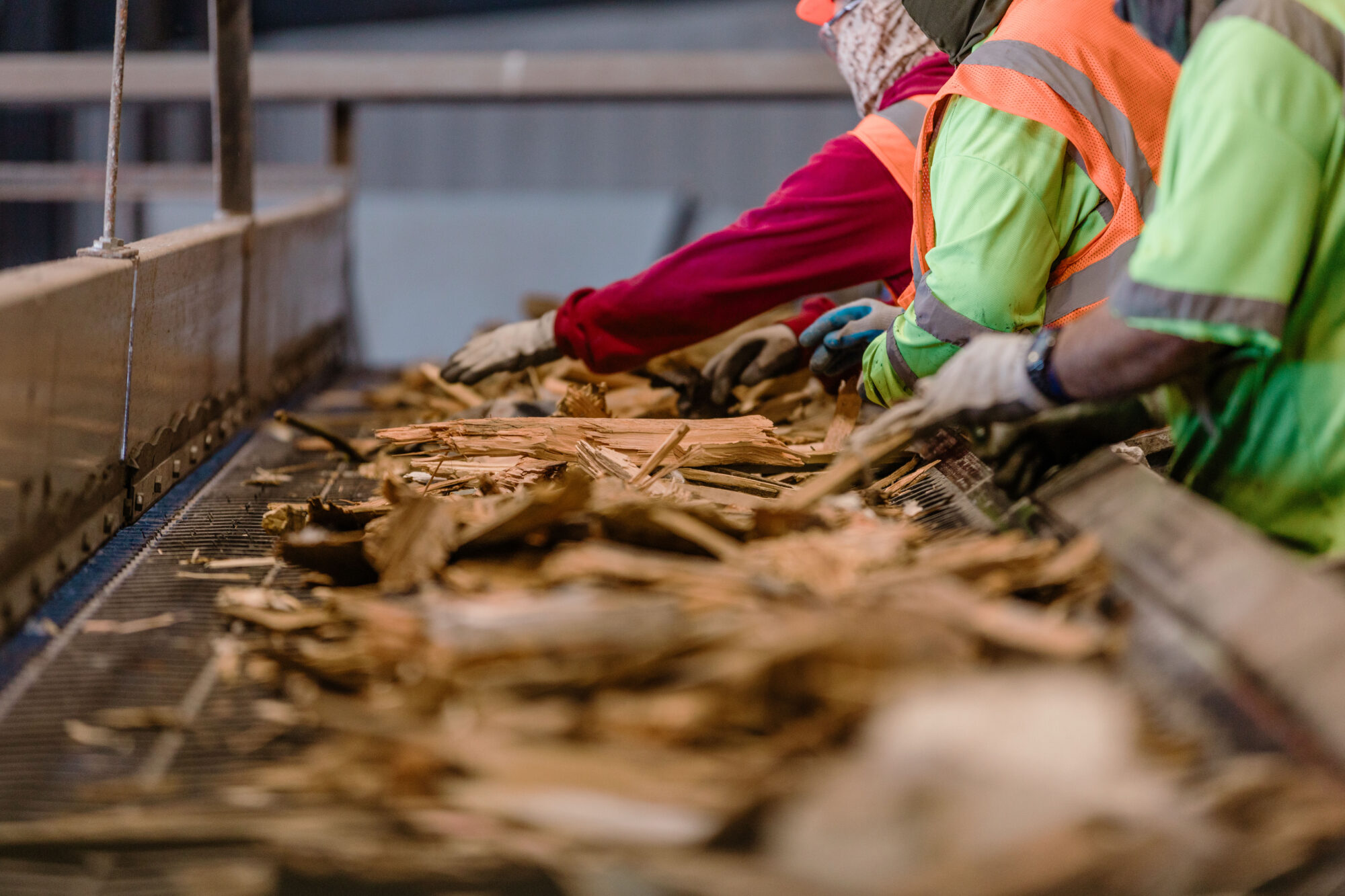
In 1997, November 15 was declared National Recycling Day. Less than three years later, Re:Source accepted its first load of construction and demolition (C&D) waste. The objective: to save as much reusable material from that waste as possible.
While our services have expanded over the years to include consolidating and transporting all of Marion County’s transfer station waste, as well as curbside collected trash and organics, material recovery is still our top priority.
What materials does Re:Source recover for recycling?
Re:Source reclaims rock, concrete, metal, wood, and cardboard. At our facility, these materials are removed from loose transfer station waste and C&D debris using a mix of special equipment and hand sorting. Then, they head to nearby recycling facilities to be repurposed.

- Rock and concrete are taken to Knife River and broken down into aggregates for use in construction and landscaping.
- Metal is delivered to Cherry City Metals and turned into new products or even art pieces through their salvage steel yard.
- Wood is chipped and taken to Freres Engineered Wood where it’s used as fuel in their cogeneration plant, providing heat for their local manufacturing facilities and clean energy to area homes.
- Cardboard is transported to Republic Salem Recycling Center to be made into new paper products.
How does material recovery benefit the community?
In addition to the environmental benefits of saving natural resources, recovering reusable materials from local waste has many positive ripple effects for our community.
It makes our local waste system more efficient.
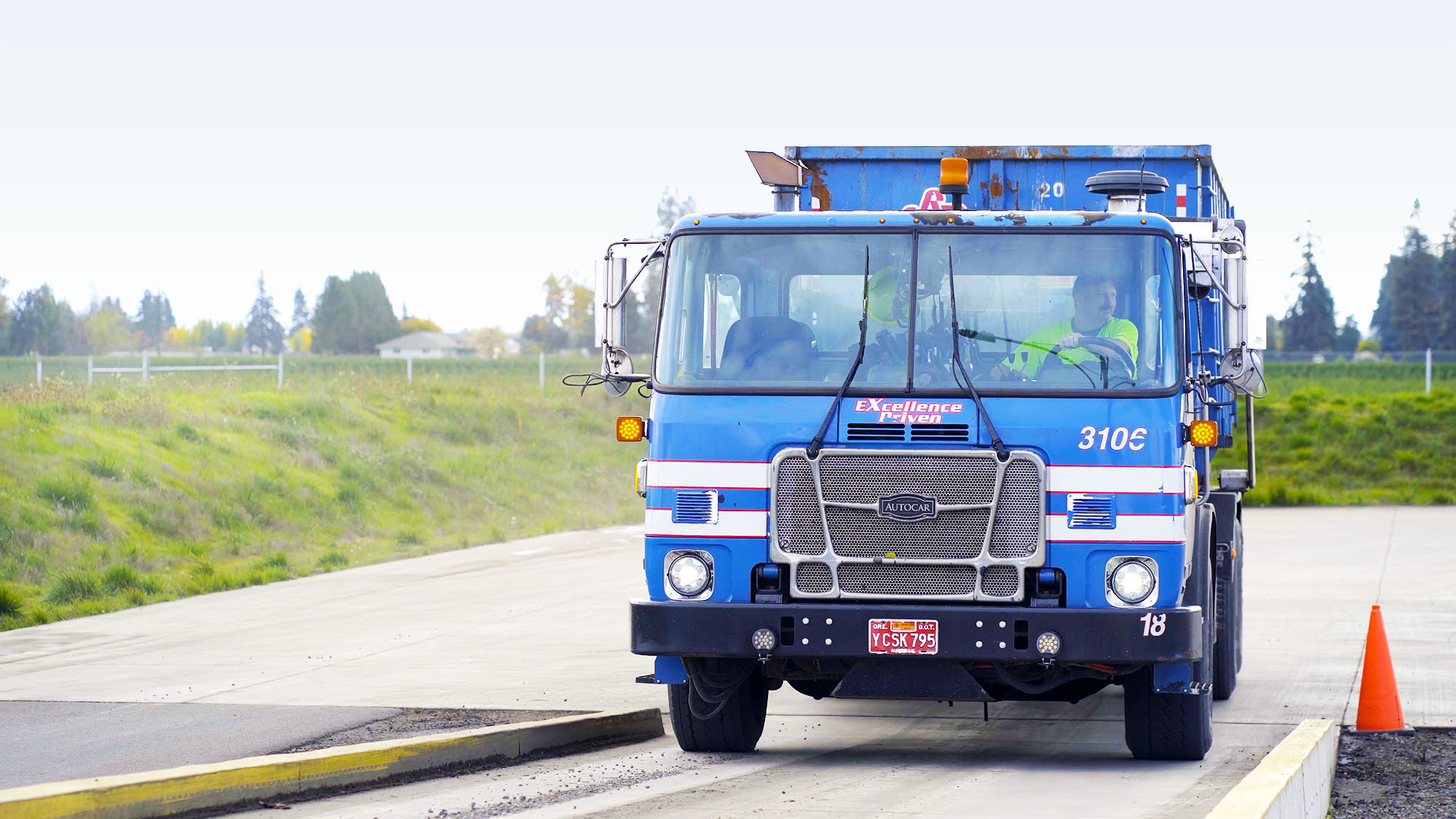
Instead of driving the longer distance to the landfill, Marion County haulers and contractors can deliver their C&D waste loads to Re:Source’s Salem facility, saving time and fuel. Materials (both recyclables and residual waste) are then consolidated or compacted for final transport, reducing semi-truck traffic, emissions, and wear on area roads.
It helps conserve local landfill space.
While they’re still a necessary part of the waste stream, it’s important to manage landfill use wisely and reduce that use as much as possible. Through material recovery, Re:Source has been able to save over 1.25 million tons of waste since our facility opened. Diverting these materials goes a long way toward mitigating the need to expand or build new landfills.
Through material recovery, Re:source has been able to save over 1.25 million tons of waste since our facility opened.
It keeps valuable resources in our community while supporting the local economy.
The materials we save are taken to local businesses to be repurposed into products that make their way back to our community.
It helps keep local waste collection rates stable.
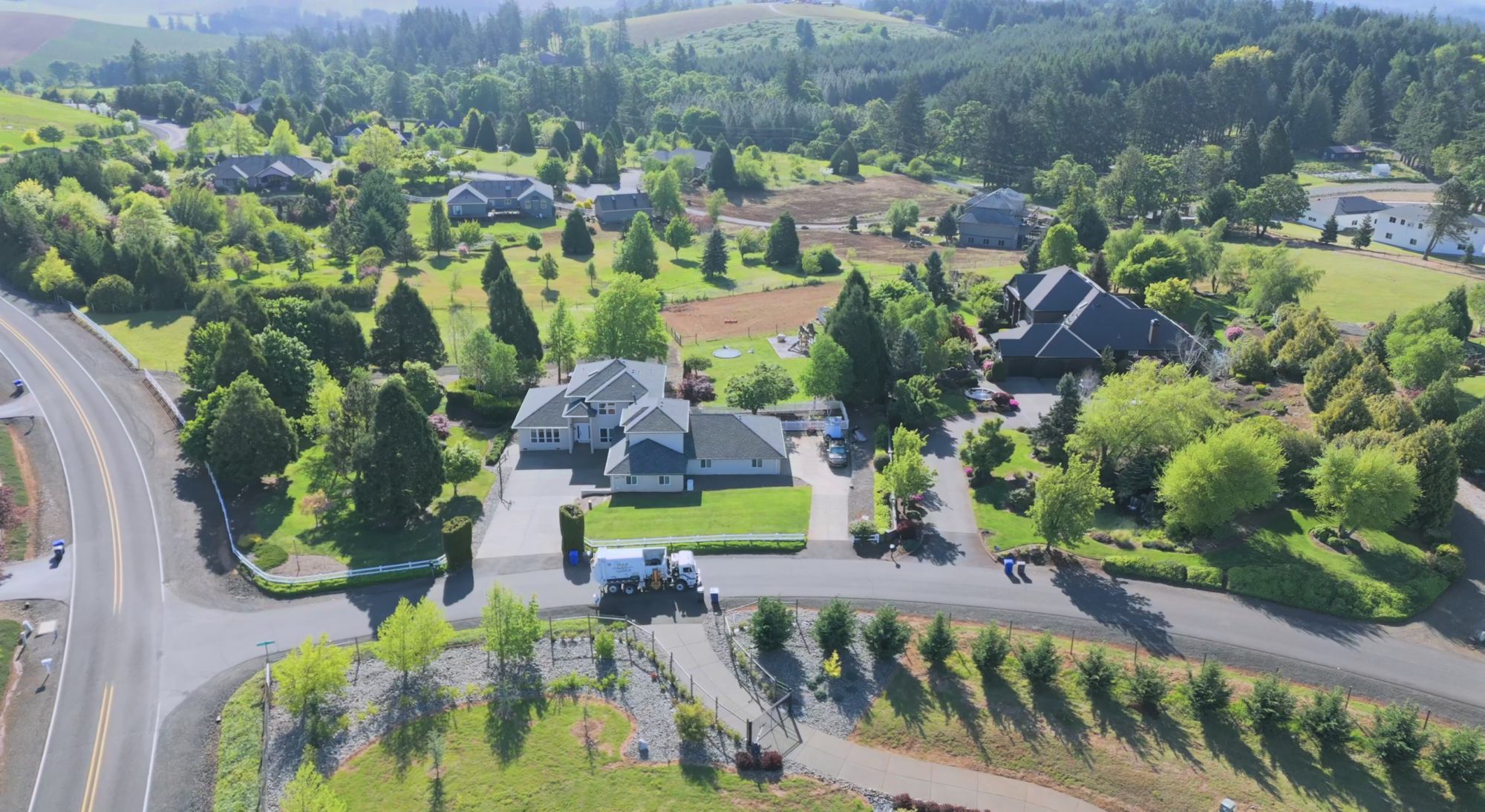
All these benefits–more efficient hauler routes, less waste being taken to landfills and more being locally recycled–help reduce the costs associated with waste processing and minimize increases to residents’ and businesses’ curbside collection rates.
Looking to the Future
Recycling as much as we can is essential for both the health of our environment and our communities. As we work together to conserve resources and keep our neighborhoods and natural spaces trash-free, Re:Source is dedicated to making sure reusable materials don’t go to waste.
How You Can Help More Materials Get Recycled
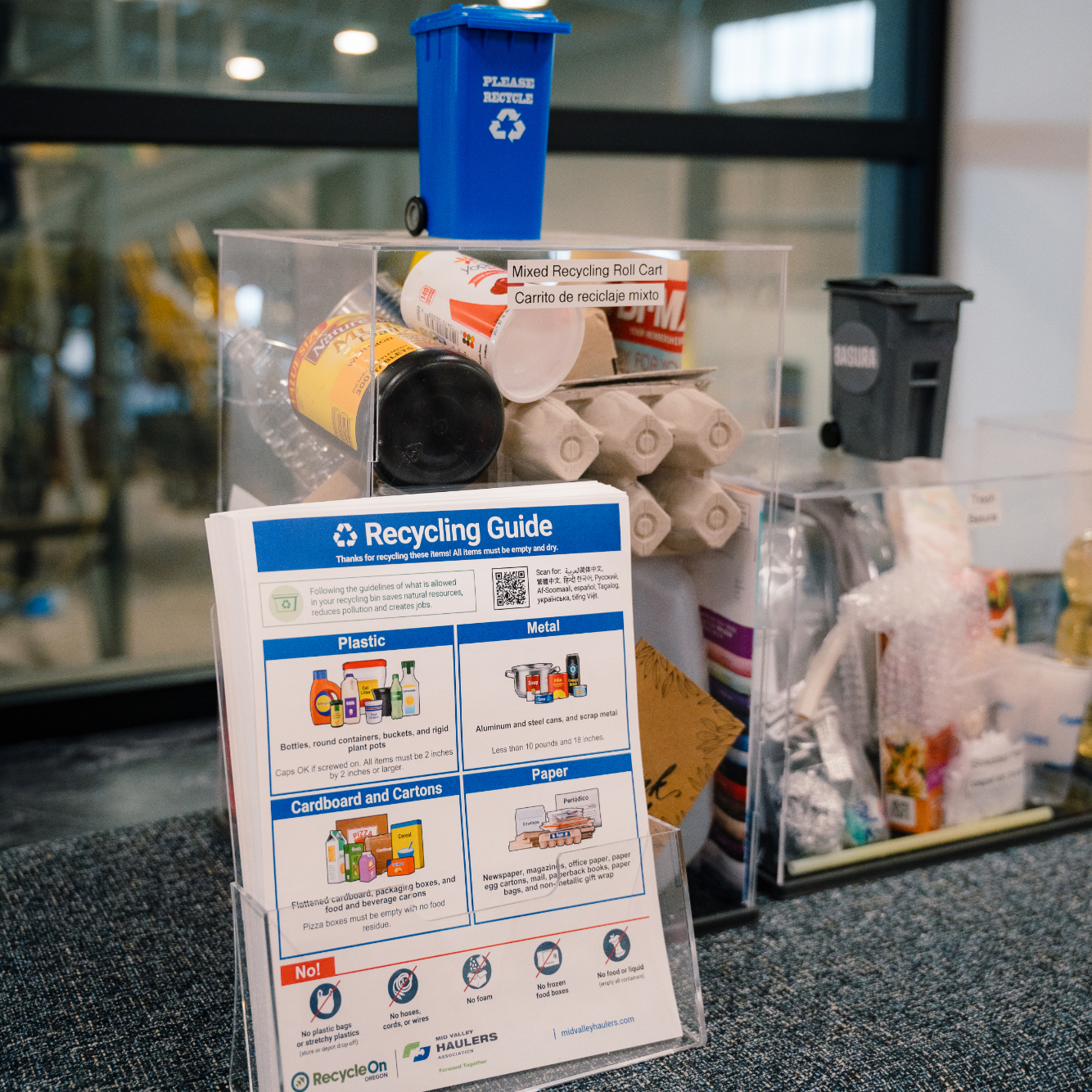
This National Recycling Day, download your local recycling guide and brush up on your sorting skills! When “contaminants” (any materials that can’t be recycled) end up in the recycling stream, entire loads of recyclables can end up in the landfill. You can help prevent this by making sure the right stuff goes into–and stays out of–your curbside recycling bins.
Categories: Material Recovery, Recycling, Sustainability, Waste Sorting
Share

